


Home Modifications for Wheelchair Accessibility
Key Takeaways
- Independence first: Accessible modifications help wheelchair users stay safely and confidently in the homes they already know.
- Entryways and hallways matter: Ramps, wider doorways, and lever handles make it possible to move through the home without obstacles.
- Bathrooms and kitchens need the most attention: Roll-in showers, grab bars, and lowered counters address the toughest daily accessibility challenges.
- Help is available: Funding and assistance programs can make home modifications more affordable than most people expect.
The Importance of an Accessible Home
For someone who uses a wheelchair, everyday activities can become difficult when their home lacks features that accommodate their mobility. Narrow doorways, stairs, high countertops, inaccessible bathrooms, and furniture that limits maneuverability can turn simple parts of the day into frustrating obstacles.
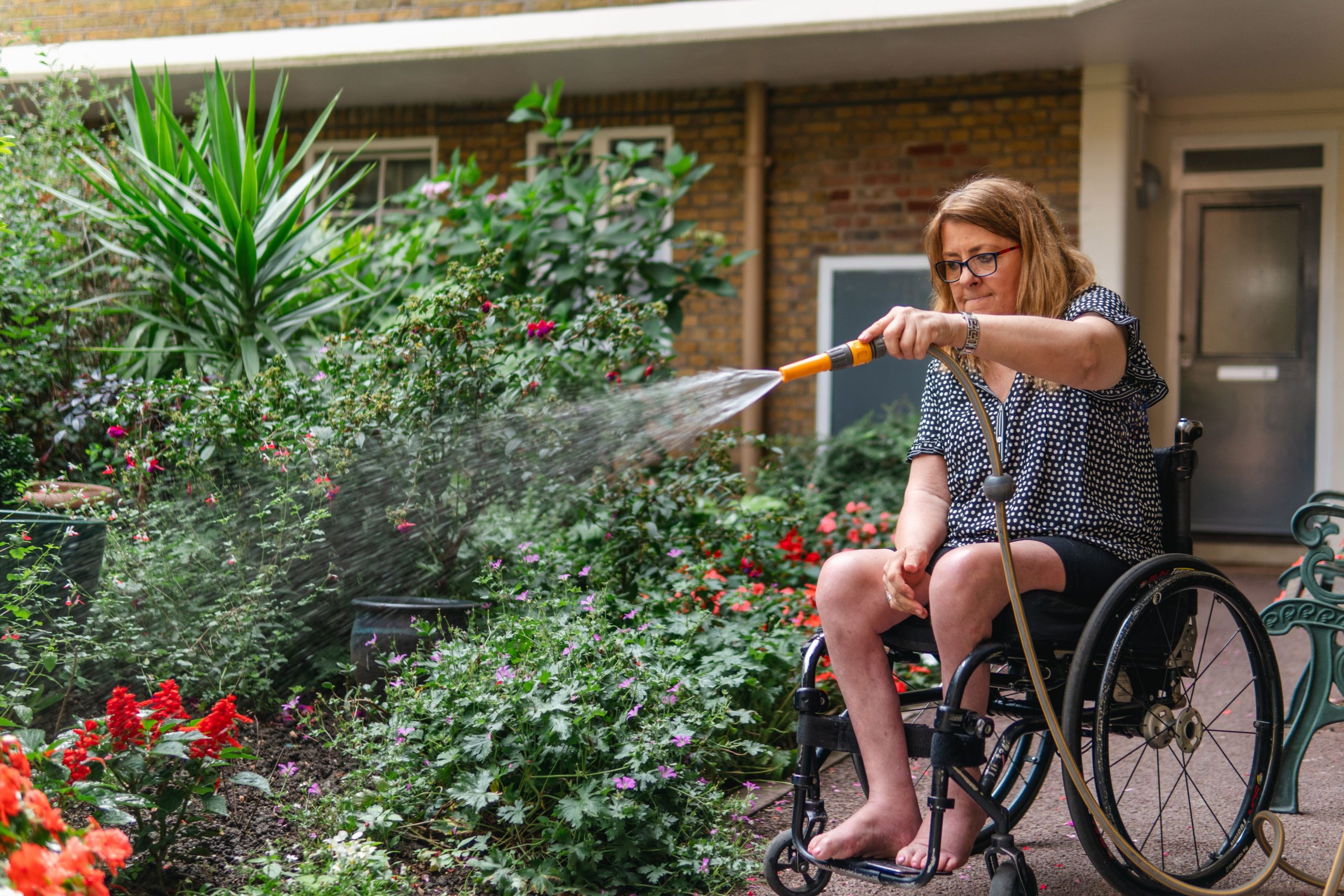
A wheelchair-accessible home helps create a safer, more independent living environment. It restores dignity and lets people stay in the place they know and love instead of moving somewhere unfamiliar. This is a real concern for many families, and it connects to the larger conversation around removing barriers for people with disabilities in everyday life.
It also ties directly to overall well-being. Research has found that the accessibility and condition of someone’s home can affect their health, well-being, quality of life, and ability to function independently. A cramped, hard-to-navigate space can lead to stress, isolation, and injury. An accessible home supports confidence and daily function.
Key Areas of the Home To Modify (Entryways, Doorways, and Hallways)
Getting in and out of the house should never be a struggle. Start with the entry point, then work your way through the rest of the layout.
- Ramps at every entrance: A properly sloped ramp gives wheelchair users safe, step-free access to the home. Home modification experts widely recommend following the Americans with Disabilities Act (ADA)’s ratio of 1 inch of rise for every 12 inches of ramp length as a safety benchmark.
- Wider doorways and hallways: Doorways should measure at least 32 inches wide to let a wheelchair pass through comfortably, and hallways benefit from even more clearance for turning.
- Lever-style door handles: These are easier to operate than round knobs for anyone with limited hand strength or dexterity.
Falls remain a serious risk in the home too, and it helps to look beyond the obvious spots. A room-by-room safety checklist can help identify potential hazards.
Bathroom and Kitchen Accessibility Upgrades
These two rooms usually need the most attention, since they involve tight spaces, hard surfaces, and daily tasks that require reaching, bending, and standing. ADA compliance isn’t legally required in a private residence, but many homeowners use these standards as practical, well-tested guidelines when planning accessibility upgrades.
An ADA compliant bathroom typically includes a curbless roll-in shower, a handheld showerhead, and a toilet set at a comfortable transfer height. A grab bar installation near the toilet, tub, and shower adds extra stability and can help prevent a serious fall.
For lower-cost updates, a non-slip bath mat or adhesive traction strips can reduce fall risk right away, and a raised toilet seat or toilet safety frame offers many of the same benefits as a full toilet replacement at a fraction of the cost. Swapping standard faucet handles for lever-style handles is another small change that makes a real difference for anyone with limited grip strength.
A wheelchair accessible kitchen means lower countertops, open space underneath sinks and cooktops for knee clearance, and pull-out shelving that brings items within easy reach. If a full remodel isn’t in the budget, simple swaps go a long way: lever-style cabinet and faucet handles are easier to operate than knobs, and a slide-out cutting board or pull-out shelf can be added to existing lower cabinets.
Resources and Assistance
Home modifications can range from a simple $50 grab bar to a full bathroom remodel costing several thousand dollars. The good news is that cost doesn’t always have to be a dealbreaker.
Several Arizona programs help offset these costs. Ability360 offers free home modification assistance for low-to-moderate-income Maricopa County residents, and many cities run similar programs, like Chandler’s Home Modifications Program, which grants up to $10,000.
Veterans may also qualify for VA Specially Adapted Housing grants, which can cover well over $100,000 in modifications. Many households qualify for programs that combine energy efficiency upgrades with broader home improvement support, which can free up money for accessibility projects. For a broader list of local resources, 2-1-1 Arizona and The Home Modification Information Network are good starting points.
At AllThrive 365, we believe everyone deserves a home that works for them. Our team helps Arizonans access resources for safe, accessible living, including adult foster care services for those who need additional daily assistance.
If you or someone you love is considering home modifications, our team can help you find the right path toward a safer, more independent life at home. Reach out to get started.
About AllThrive 365
Established in 1974, AllThrive 365 provides integrated, customized care in the Phoenix area for those who need it. We offer a wide range of home- and community-based services, including:
- Affordable housing options
- Nutritious meal programs
- Health and wellness programs
- Recreation programs
These programs enable Arizonans of all backgrounds to age with confidence. If you or someone you know is struggling to have their needs met, don’t hesitate to contact us to find out how we can help. And, if possible, consider donating or volunteering your time to our mission. We can’t wait to work with you!