


What Are ADLs (Activities of Daily Living) and Why Do They Matter?
Key Takeaways
- ADLs definition: Activities of daily living are the essential self-care tasks (like bathing, dressing, and eating) that people need to manage independently every day.
- Two levels of need: Basic ADLs cover physical self-care, while instrumental ADLs involve more complex tasks like managing money, cooking, and transportation.
- A health indicator: Struggling with ADLs often signals declining health or safety risks, making them a key measure of someone’s overall independence.
- Watch for warning signs: Changes in hygiene, weight, mobility, or home upkeep can indicate a loved one needs extra support with daily tasks.
- Support is available: Programs offering home care assistance and adult day health services can help seniors stay independent while giving caregivers much-needed relief.
What Are Activities of Daily Living (ADLs)?
Activities of daily living refer to the basic self-care tasks people need to do every single day just to take care of themselves. Think bathing, getting dressed, eating, moving around safely, and using the bathroom.
Health professionals use a person’s ability to manage these tasks as a benchmark for overall functional health. Difficulty with them often signals a need for more support, whether that comes from family, a caregiver, or a program designed specifically to help.
Basic ADLs vs. Instrumental ADLs (IADLs)
Not all daily tasks are created equal. There’s a difference between the basics and the more complex activities.
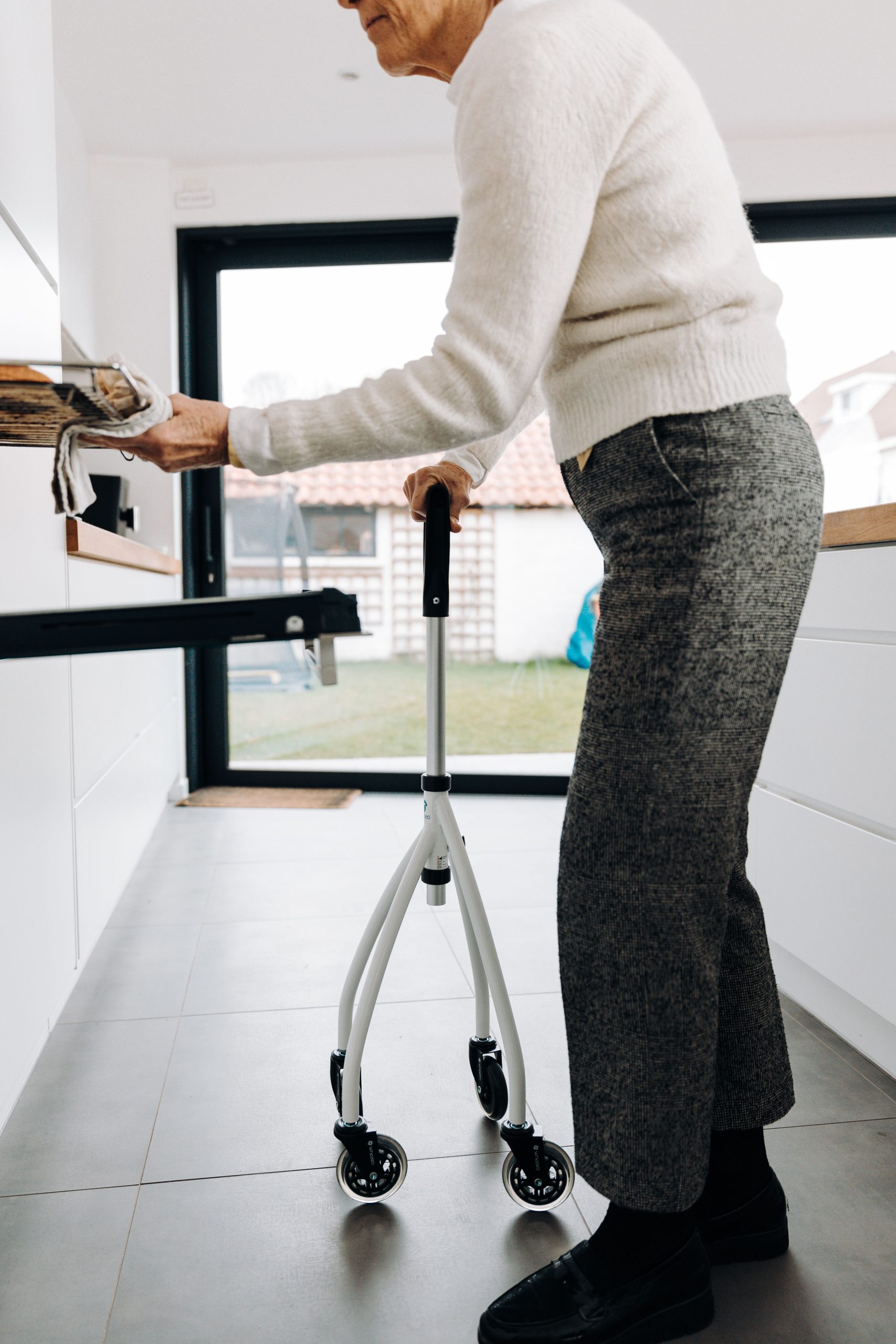
Basic ADLs tend to become difficult because of physical limitations. Conditions like arthritis, stroke, Parkinson’s disease, or general mobility loss can make even simple movements painful or unsteady.
Instrumental activities of daily living, often shortened to IADLs, are a step up in complexity. They include things like managing money, cooking meals, doing laundry, and keeping track of medications. IADLs rely more heavily on cognitive skills like planning, memory, and judgment, so they’re often the first tasks affected by conditions like early dementia or mild cognitive impairment, sometimes well before basic ADLs are affected at all.
Understanding ADLs vs. IADLs matters because they tell different stories about someone’s needs. A person might handle IADLs just fine but need help with something basic, or the other way around. Programs that focus on wellness often address both levels of need.
Why ADLs Matter for Independence and Health
ADLs are a window into someone’s quality of life.
When a person can manage their own ADLs, they usually feel more confident, more in control, and more connected to their community. When they can’t, it often leads to isolation, safety risks, and a faster decline in overall health. The Centers for Disease Control and Prevention (CDC) notes that falls are a leading cause of injury among older adults, and difficulty with basic movement or mobility is often at the root of that risk.
Changes in ADLs can also serve as an early warning sign that an older adult may need additional support. Even small difficulties with bathing, dressing, or walking can signal declining strength or mobility, making early assessment and intervention especially important.
Warning Signs a Loved One Needs Help With ADLs
Sometimes the signs are obvious. Other times, they creep up slowly and get brushed off as “just getting older.”
Here are a few things worth paying attention to:
- Changes in hygiene: Skipping showers, wearing the same clothes repeatedly, or noticeable body odor can point to trouble with self-care tasks.
- Unexplained weight loss: Difficulty preparing meals or forgetting to eat regularly often shows up as sudden or steady weight changes.
- New bruises or falls: Struggling with mobility or balance can lead to accidents around the home that weren’t happening before.
- A messier home than usual: Piling mail, spoiled food, or general clutter can signal that everyday tasks have become harder to manage.
If any of this sounds familiar, it might be time to look into extra support. Many families find that structured programs provide the kind of consistent, hands-on care that keeps daily routines on track.
How AllThrive 365 Supports Seniors and Caregivers
Having the right resources can make all the difference. AllThrive 365 offers home-based assistance and community-based programs designed around real daily needs. At locations like the Glendale Adult Day Health Center and the Tempe Adult Day Health Center, participants get help with everything from mobility to meals, all while staying socially engaged.
There’s support for caregivers, too. Supporting someone through their daily routines can be exhausting, which is why programs built around education, respite, and community connection exist to help caregivers keep going without burning out.
If you notice yourself or a loved one struggling with ADLs or IADLs, don’t wait until everyday tasks become a safety concern. Contact AllThrive 365 to find personalized support that can promote independence, provide caregiver respite, and help your loved one continue to thrive.
About AllThrive 365
Established in 1974, AllThrive 365 provides integrated, customized care in the Phoenix area for those who need it. We offer a wide range of home- and community-based services, including:
- Affordable housing options
- Nutritious meal programs
- Health and wellness programs
- Recreation programs
These programs enable Arizonans of all backgrounds to age with confidence. If you or someone you know is struggling to have their needs met, don’t hesitate to contact us to find out how we can help. And, if possible, consider donating or volunteering your time to our mission. We can’t wait to work with you!